
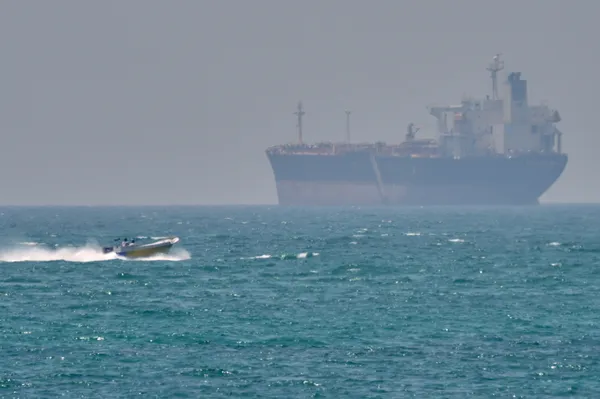
The Strait of Hormuz, a narrow body of water that separates Iran and Oman, is one of the world's most strategically vital maritime routes. About 20% of the world's oil passes through it, which gives it significant geopolitical importance. However, commercial traffic through the strait is now at a standstill following a US seizure of an Iranian vessel. This action has highlighted the escalating geopolitical tensions in the region and the potential impact on global energy markets and economies.
The unexpected seizure of the vessel by the US has added a new level of uncertainty to an already complex situation. It has not only halted commercial activity in the Strait but also raised concerns about a potential disruption in oil and gas supplies. A prolonged standstill or conflict in the Strait of Hormuz could lead to significant repercussions on global energy prices and supply chains, affecting economies worldwide.
This situation could also trigger volatility in the stocks of oil companies and insurance firms. The uncertainty surrounding the passage through the Strait could lead to higher insurance premiums for shipping companies, impacting their profitability. At the same time, oil companies could face higher costs and supply disruptions, which could in turn affect their stock prices.
Policy makers and investors are closely watching the evolving situation. The ongoing tension in the Strait of Hormuz is a stark reminder of the geopolitical risks that can impact global commerce and economic stability. It also underscores the need for diplomatic solutions to ensure the smooth functioning of vital trade routes.
For the average person, this could mean higher energy prices and potential economic instability. A disruption in oil and gas supplies could lead to higher fuel and energy prices. This, combined with the potential impact on global economic stability, could affect job markets and the overall economic well-being of individuals.
For small businesses, especially those involved in international trade or dependent on energy supplies, the situation could lead to increased costs and supply chain disruptions. This could affect their profitability and survival, especially in an already challenging economic environment.
In conclusion, the standstill in commercial traffic in the Strait of Hormuz is a significant development that could have wide-ranging impacts. It underscores the importance of diplomatic solutions and the need for stability in key trade routes. As the situation continues to evolve, it will be crucial for all stakeholders to monitor developments closely and prepare for potential impacts.

 Next
Next









Comments (0)
Leave a comment