

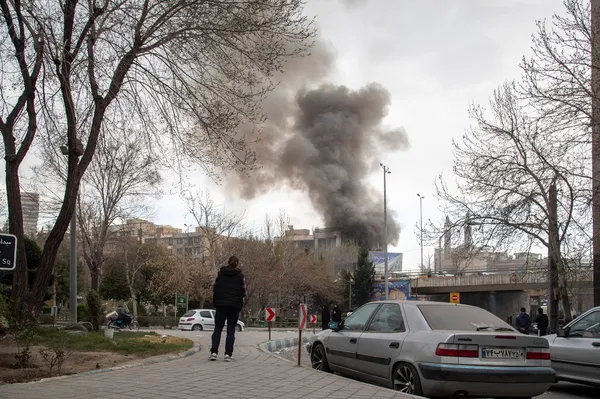
Stocks across the globe experienced a significant drop while crude oil prices took a surprising rebound. This unexpected shift in the market came after a brief sigh of relief when the U.S. and Iran agreed to a ceasefire. However, the optimism was short-lived as Tehran accused the U.S. of breaching some terms of the agreement, leading to renewed tensions and a significant impact on the global economy. This article presents a detailed analysis of these recent events and their implications for investors, businesses, and the average person.
Just last week, the market celebrated a relief rally as news of the ceasefire spread. The agreement was a welcome development after months of escalating tensions that had led to fears of a full-blown conflict. The ceasefire announcement led to a brief surge in stocks and a dip in crude oil prices. Yet, the recent turn of events has put a brake on this rally, sending shock waves through the financial markets.
So, what does this mean for the average person and investor? The immediate impact of these shifts in the market is seen in the fluctuation of prices of goods and services. The rebound in oil prices, for instance, will likely lead to higher gasoline prices, affecting the cost of transportation and, consequently, the price of goods. For the small investor, the drop in stock prices can be a significant concern. The uncertainty surrounding the U.S.-Iran relations contributes to market volatility, which can lead to potential losses.
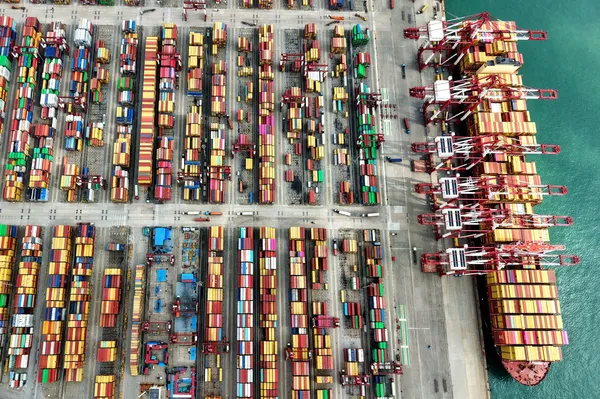
And for businesses, especially those in the oil sector, these events present both challenges and opportunities. As oil prices rise, oil companies may see an increase in revenue. However, they also face the risk of increased operational costs, particularly if the U.S. decides to impose sanctions on Iran's oil exports. On the other hand, businesses that rely heavily on transportation or are affected by oil prices in their supply chains may face increased costs, which could lead to lower profit margins.
Furthermore, the market's reaction to the recent developments underscores the interconnectedness of geopolitics and the global economy. It demonstrates how events in one part of the world can have far-reaching effects on economies and markets elsewhere. This serves as a reminder for investors and businesses to keep an eye on global events, even those that may seem unrelated to their investments or operations.
In conclusion, the recent turn of events in the U.S.-Iran relations and their impact on the global markets serve as a crucial reminder of the unpredictability of geopolitics and its potential to cause significant shifts in the financial markets. As we move forward, it is critical for investors, businesses, and the average person to stay informed about these developments and make decisions with a full understanding of their potential economic implications.







Comments (0)
Leave a comment