
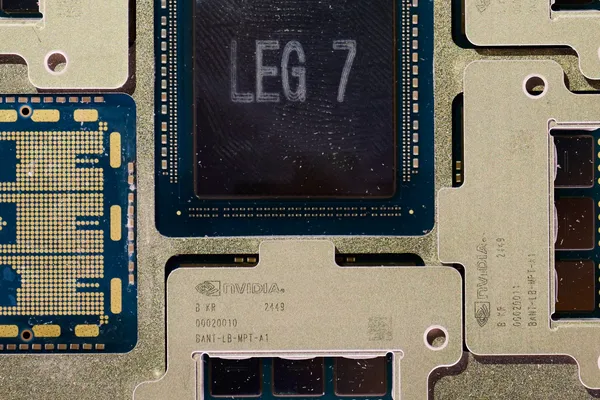
As we stand on the cusp of a new year, a significant milestone looms in the horizon for the semiconductor industry. For the first time in history, the industry is projected to hit a trillion dollars in revenue, driven in large part by the unrelenting demand for chips in everything from cars to coffee makers. At the forefront of this surge is Nvidia, the American multinational technology company, whose prowess in the artificial intelligence (AI) and gaming markets is driving unprecedented growth in chip sales.
The impact of this landmark is multi-faceted and carries significant implications for various stakeholders. For investors, the trillion-dollar milestone underscores the immense profitability of the chip industry and its potential as a high-growth sector. For small businesses, the ubiquitous nature of chips could open new avenues for innovation and expansion. And for consumers, the increasing prevalence of chips in everyday items may enhance convenience but also raises concerns about privacy and security.
At the heart of this boom is the ever-expanding role of AI. Nvidia, known for its graphics processing units (GPUs), has successfully leveraged its technology to become a leading player in the AI field. The company's data-center business, which largely caters to AI workloads, has seen stellar growth and is a major contributor to its current market capitalization of over $500 billion.
Furthermore, the proliferation of chips into various sectors – automotive, energy, healthcare, and more – is creating a robust and sustained demand. Cars now boast hundreds of chips, controlling everything from infotainment systems to safety features. Similarly, appliances like refrigerators and washing machines are increasingly 'smart,' requiring chips for various functions.
While the current landscape bodes well for the continued growth of the chip industry, it's not without potential challenges. Supply chain disruptions, caused in part by the COVID-19 pandemic, have highlighted the industry's vulnerabilities. Additionally, geopolitical tensions, particularly between the U.S. and China, could pose risks to the industry's growth trajectory.
Moreover, the dominance of a few key players, like Nvidia, could lead to concerns about market competition. Regulatory scrutiny, particularly in regions with strong antitrust laws, could potentially temper the industry's growth.
In conclusion, the semiconductor industry stands at the precipice of a historic milestone. The journey to a trillion dollars has been fueled by technology advancements, market demand, and the strategic maneuvers of industry leaders like Nvidia. Looking forward, while potential challenges exist, the underlying fundamentals of the industry suggest a continued upward trajectory, offering opportunities and implications for a wide range of stakeholders.

 Next
Next













Comments (0)
Leave a comment