
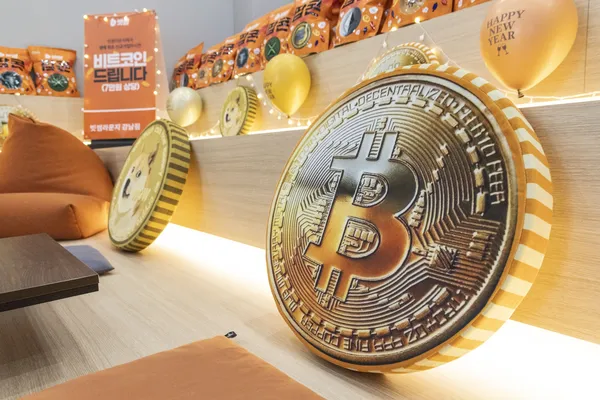
The crypto market, known for its extreme volatility, is facing a fresh risk - the crypto-hoarding treasury companies. These firms, which have been instrumental in driving up the prices of digital assets in the first nine months of 2021, now pose a potential risk to market stability. This is because they hold considerable volumes of cryptocurrencies, and any decision to offload their holdings could spark a sell-off, leading to market contagion.
The question on everyone's mind is - what happens if these firms decide to sell? The answer is not straightforward. On one hand, it could lead to a sharp drop in prices, impacting retail investors and small businesses involved in the crypto space. On the other hand, it could also trigger a chain reaction, as other market participants, fearing a drop in prices, may decide to offload their holdings., leading to a market rout.
While the crypto market has always been susceptible to volatility, the involvement of treasury companies and their large-scale hoarding of digital assets have added a new dimension to the risk. This is particularly concerning given the growing adoption of cryptocurrencies by mainstream businesses and consumers. A market contagion could shake investor confidence and potentially slow down the pace of crypto adoption.
Moreover, such a scenario could invite regulatory scrutiny. Policymakers worldwide have been grappling with the challenge of regulating the crypto market, and a market rout caused by treasury companies could provide them with the impetus to institute stringent regulations. This could have wide-ranging implications on the crypto market and its participants, impacting trading activities, ICOs, and even the development of crypto-related services and products.
However, it's not all doom and gloom. Some market observers argue that a sell-off by treasury companies could also lead to a healthy correction in the market. It could weed out speculative investors and pave the way for more stable, long-term growth. Furthermore, regulatory interventions could bring much-needed transparency and stability to the market, encouraging more mainstream adoption.
But whether the potential benefits outweigh the risks is a matter of debate. For the average investor and small businesses, the prospect of a market rout is daunting. They stand to lose not just their investments, but also the potential benefits that the crypto market offers in terms of financial inclusion, innovation, and disruption of traditional finance. Therefore, they must tread carefully, keeping a close eye on market developments and making informed investment decisions.
In conclusion, crypto-hoarding by treasury companies is a significant risk factor in the crypto market. Its potential impact on market stability, investor confidence, and regulatory landscape warrants close attention from all market participants. While the future is uncertain, one thing is clear - the crypto market is still in its formative years, and volatility, risks, and rewards are part and parcel of this exciting new asset class.

 Next
Next














Comments (0)
Leave a comment