
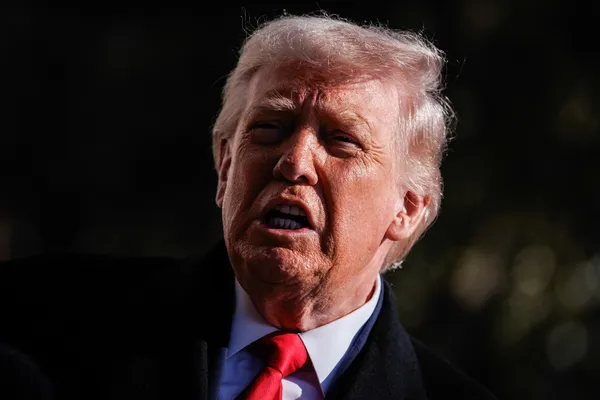
The Trump administration's plan to revamp the Peace Corps with a new initiative aimed at countering China's influence in artificial intelligence (AI) and technology is more than just a strategic move in the geopolitical game. It is an assertion of America's intent to remain at the forefront of AI innovation and a show of willingness to deploy soft power in the pursuit of technological dominance. This plan could have far-reaching implications for investors, small businesses, and policymakers, reshaping the landscape of global technology and potentially tilting the balance of power in the ongoing US-China tech war.
Under the proposed initiative, thousands of US science and mathematics graduates would be sent abroad, particularly to developing countries, to boost the adoption and development of American technology. The goal is twofold: to increase foreign reliance on American tech and to reduce the global adoption of competing Chinese products. This maneuver is not merely about promoting American products; it's about embedding American technological standards and practices into foreign tech ecosystems, creating a long-term advantage for the US.
China has been steadily expanding its influence in AI and technology around the world, particularly in emerging markets. The country has invested heavily in AI research and development, and its tech companies, like Huawei and Alibaba, have been active in exporting technology and forging partnerships abroad. This Peace Corps initiative is a direct response to China's aggressive tech diplomacy, a sign that the US is not willing to cede ground in this critical domain.
From a macro perspective, this move could be seen as part of a broader strategy by the US to retain its technological edge over China. The Trump administration has been vocal about its concerns over China's tech ambitions, and this initiative is one of several measures aimed at curbing China's rise in this sector. For example, the US has been tightening restrictions on Chinese tech firms and encouraging other countries to do the same, citing national security concerns.
However, from a micro perspective, the implications of this initiative are more nuanced. For American tech firms and investors, this could be a boon. More countries adopting American technology means more market opportunities and potential profits. On the other hand, for small businesses and start-ups, particularly in the tech sector, the increased competition could be a challenge. They will have to contend with not only local competitors but also powerful American tech giants.
Policymakers, too, will have to grapple with the implications of this initiative. With more American tech firms operating in their countries, they will need to strike a delicate balance between encouraging foreign investment and protecting local industries. Additionally, they will have to navigate the complex geopolitical dynamics of the US-China tech war.
In conclusion, the Trump administration's plan to revamp the Peace Corps as a tool in the US-China tech war is a bold move that could have considerable implications. It is a testament to the critical importance of AI and technology in today's world and a reminder of the high stakes in the ongoing competition between the US and China. The outcome of this initiative and its impact on the global tech landscape remain to be seen, but one thing is for sure: the US-China tech war is far from over.

 Next
Next







Comments (0)
Leave a comment