
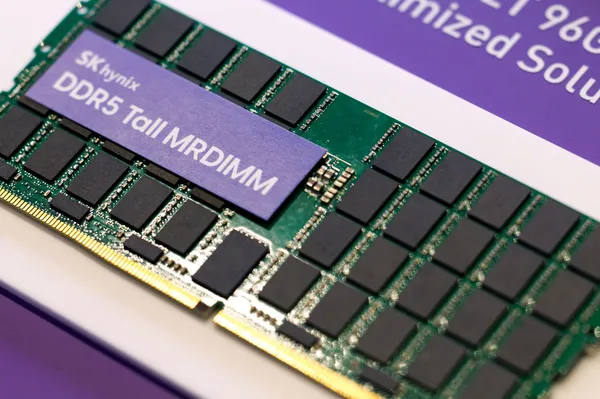
Artificial Intelligence (AI) has been a leading force in the technological revolution. However, its unquenchable thirst for memory is causing a severe chip crisis, the impacts of which are beginning to percolate through to tech industry titans, average consumers, and investors alike. This blog will explore the causes, the implications, and the potential ways forward in this semiconductor crunch.
Artificial Intelligence (AI) has been a driving force in the technological revolution. However, its unquenchable thirst for memory is creating a severe chip crisis, the impacts of which are beginning to reverberate through tech industry titans, average consumers, and investors alike.
The shortage of memory chips is not an overnight phenomenon. It's a consequence of a perfect storm of supply-chain disruptions, overwhelming demand, and geopolitical tensions. A surge in remote work and learning fuelled by the Covid-19 pandemic, along with the increasing proliferation of AI technologies across industries, has led to an unprecedented demand for chips.
On the supply side, the concentration of chip manufacturing in a few geographies, predominantly Asia, has made the industry vulnerable to disruptions. Furthermore, the US-China trade war has exacerbated the crisis, demonstrating the pitfalls of over-reliance on a geographically concentrated supply chain.
For businesses, the chip shortage presents a significant challenge. Tech giants like Apple and Tesla are already feeling the pinch, with reduced profits and disrupted production schedules. Smaller businesses and startups may find it even more challenging to navigate these waters, potentially leading to a shakeup in the tech landscape.
For consumers, the chip crisis is likely to hit where it hurts the most - their wallets. The cost of everyday tech products, from laptops and smartphones to gaming consoles and appliances, is set to rise. Additionally, the shortage may also lead to a delay in the release of new products, dampening consumer enthusiasm and potentially slowing down technological progress.
Investors, too, need to brace themselves for the impact of the chip crisis. Companies heavily reliant on chips could see their stock prices take a hit. However, chip manufacturers stand to benefit from increased prices, presenting a potential investment opportunity.
Looking ahead, there are no quick fixes to the chip crisis. Expanding manufacturing capacities and diversifying production are long-term solutions that require substantial investment and time. In the short-term, businesses may need to rethink their strategies, potentially prioritizing key products or exploring alternative technologies.
The chip crisis is a stark reminder of our heavy dependence on technology and the vulnerabilities of global supply chains. As we navigate this crisis, it will be crucial to learn from it and build more resilient systems for the future.

 Next
Next












Comments (0)
Leave a comment