
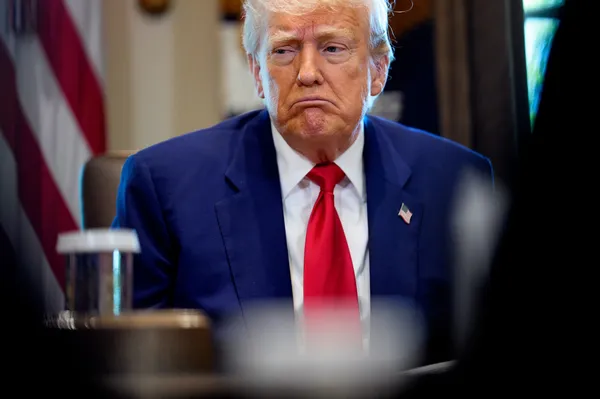
In 2018, the Trump administration launched a series of unprecedented trade measures, imposing hefty tariffs on billions of dollars' worth of goods from around the globe. The move was aimed squarely at reducing the US's trade deficits and bringing manufacturing jobs back to America. But as we venture deeper into the aftermath of these policies, a different narrative is emerging. Rather than being the crippling blow Washington envisioned, the tariffs have instead sparked a global realignment of trade relationships, often to the detriment of US businesses and consumers.
From the onset, Trump's trade moves were met with reciprocal measures from targeted countries. China, the European Union, Canada, and Mexico all promptly retaliated with their own tariffs on American goods. The tit-for-tat nature of these disputes has led to an escalating trade war that has left no winners, only varying degrees of losers. But while the US economy grapples with the fallout, many of the targeted economies are finding ways to turn adversity into advantage.
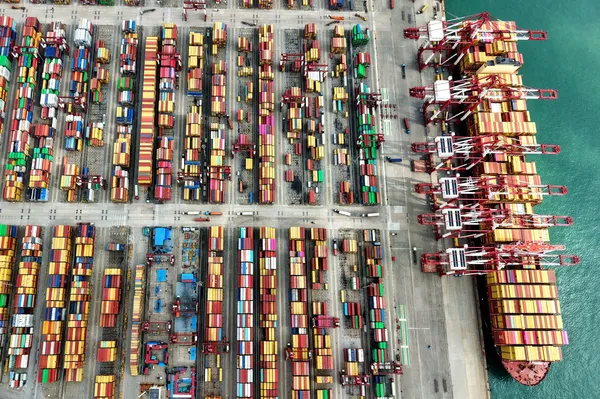
Take China, for instance. The Asian giant was a prime target of Trump's tariffs, with the US imposing duties on $250 billion worth of Chinese goods. In response, Beijing not only retaliated with its own tariffs on US goods but also started diversifying its trade partners. Chinese companies began sourcing goods from other countries, reducing their reliance on American imports. In the process, they formed new trade relationships, potentially reshaping the global trade landscape in the long run.
This shift in trade dynamics has significant implications for the average person, investor, and small business. For the American consumer, the tariffs have resulted in higher prices for a wide range of goods. Small businesses that relied on imports are now grappling with increased costs, threatening their competitiveness and survival. Investors, on the other hand, have had to navigate a volatile market landscape fraught with uncertainty.
But it's not all doom and gloom. Even as the US's trade partners gain ground, opportunities for strategic realignment present themselves for America too. If Washington can pivot and embrace these changes, it could lead to a more balanced and resilient global trade ecosystem.
As we look to the future, it's clear that the consequences of Trump's trade moves will continue to reverberate. Whether they eventually lead to a better or worse global trade environment remains to be seen. But one thing is certain: the world of trade is no longer what it used to be, and every player - big or small - will have to adapt to this new reality.

 Next
Next








Comments (0)
Leave a comment